How Often Should a Restaurant Clean Its Grease Trap in Wisconsin?
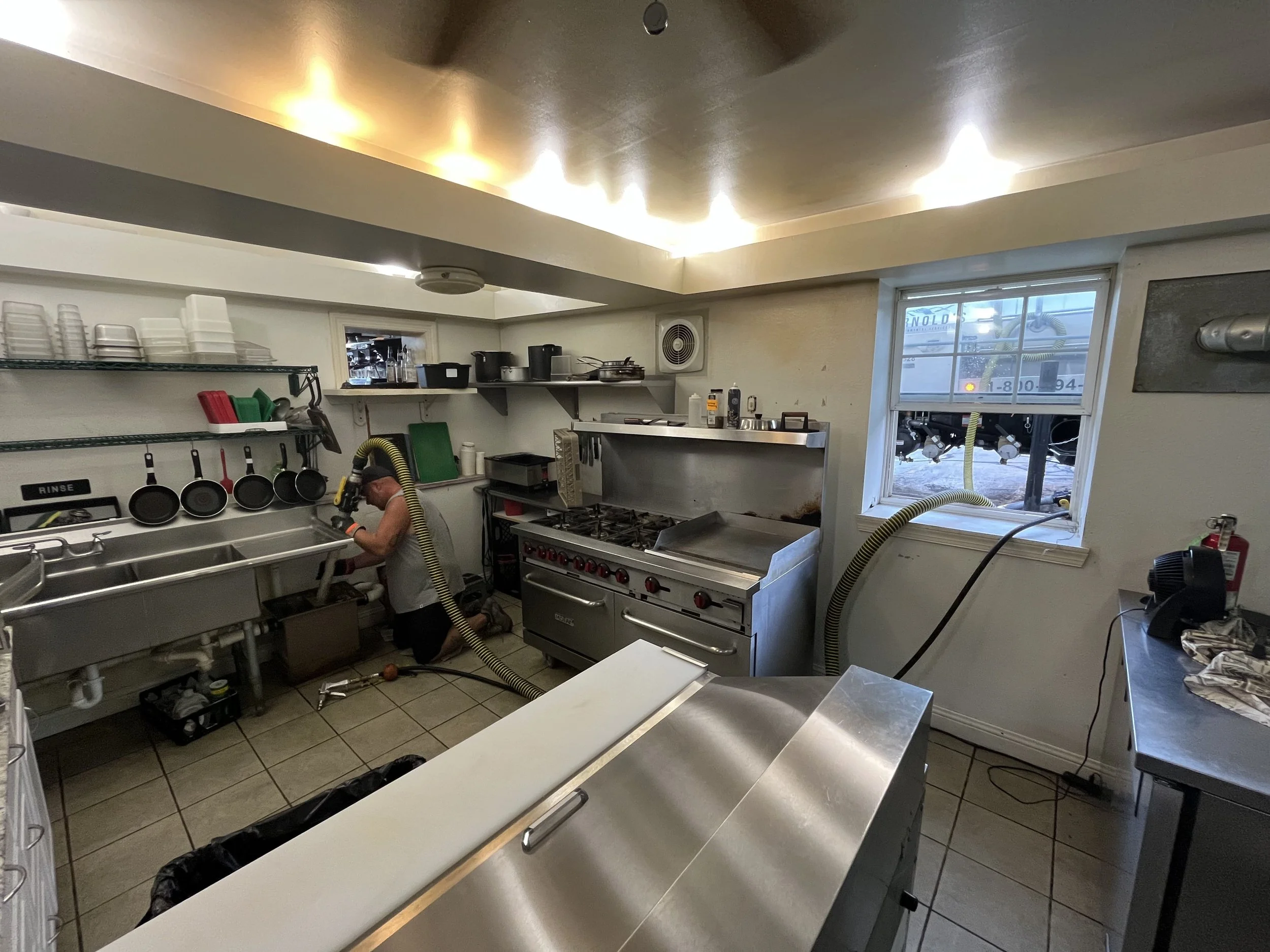
For restaurants and commercial kitchens, grease trap maintenance is not something that should be left until there is a backup.
Fats, oils, grease, food particles, and other materials accumulate over time. Without regular cleaning, that buildup can affect how well the system works and increase the risk of clogged lines, odors, backups, and disruptions to your kitchen.
So how often should your grease trap or interceptor actually be serviced?
Wisconsin Grease Interceptor Requirements
Wisconsin plumbing regulations require grease interceptors to be maintained on a cycle not exceeding 90 days or according to the manufacturer's instructions.
That does not necessarily mean every commercial kitchen should wait 90 days between services.
Some restaurants and high-volume kitchens may need cleaning considerably more often depending on how quickly grease and solids accumulate.
Local requirements may also apply, so businesses should be familiar with regulations in their municipality.
What Determines Your Cleaning Schedule?
Every kitchen operates differently.
Several factors can affect how frequently grease trap or interceptor service is necessary.
How Busy Your Kitchen Is
A restaurant preparing hundreds of meals each day will usually generate more fats, oils, grease, and food waste than a lower-volume operation.
Busy kitchens often require a more frequent maintenance schedule.
What Type of Food You Prepare
Cooking methods and menu items can make a significant difference.
Restaurants preparing large amounts of fried food, meat, sauces, dairy products, or other grease-heavy foods may accumulate FOG faster than businesses with lighter food preparation.
Size of the Grease Trap or Interceptor
Capacity also matters.
A smaller unit serving a busy kitchen can reach its effective capacity much more quickly than a larger interceptor.
Kitchen Practices
Good habits can help reduce the amount of grease and food solids entering the system.
Scraping plates, properly disposing of cooking oil, using sink strainers, and training employees on grease management can all help.
These practices do not replace regular cleaning, but they can help the system operate more effectively between services.
Signs Your Grease Trap May Need Service
Your maintenance schedule should ideally prevent problems before they appear.
However, warning signs can include:
Strong or unusual odors
Slow-draining sinks
Grease buildup
Frequent drain problems
Gurgling plumbing
Wastewater backups
A trap or interceptor filling faster than expected
If these issues are happening regularly, your current service frequency may not match the needs of your kitchen.
Why Scheduled Grease Trap Maintenance Matters
A predictable maintenance schedule helps businesses avoid having grease trap service become an emergency.
Regular cleaning can help:
Keep plumbing lines flowing properly
Reduce grease and solid buildup
Minimize odors
Reduce the risk of unexpected backups
Support compliance with applicable requirements
Keep commercial kitchens operating without unnecessary interruptions
For restaurants, grocery stores, cafeterias, commercial kitchens, and other food-service operations, preventive maintenance is much easier to manage than a problem during a busy shift.
Build a Schedule Around Your Business
The right grease trap maintenance schedule depends on your equipment and operation.
Instead of waiting for an odor, clog, or backup to tell you it is time for service, establish a recurring schedule based on your actual grease accumulation and usage.
Arnold’s Environmental Services provides commercial grease trap cleaning and maintenance throughout Southeastern Wisconsin.
Our team can help businesses create a dependable service schedule based on their operation and equipment.
Call: (262) 675-2497
Email: info@arnoldsenvironmental.com
Visit: 3031 WI-33, Saukville, WI 53080
Hours: Monday through Friday, 7:00 AM to 4:00 PM